A basic look at some of the aspects
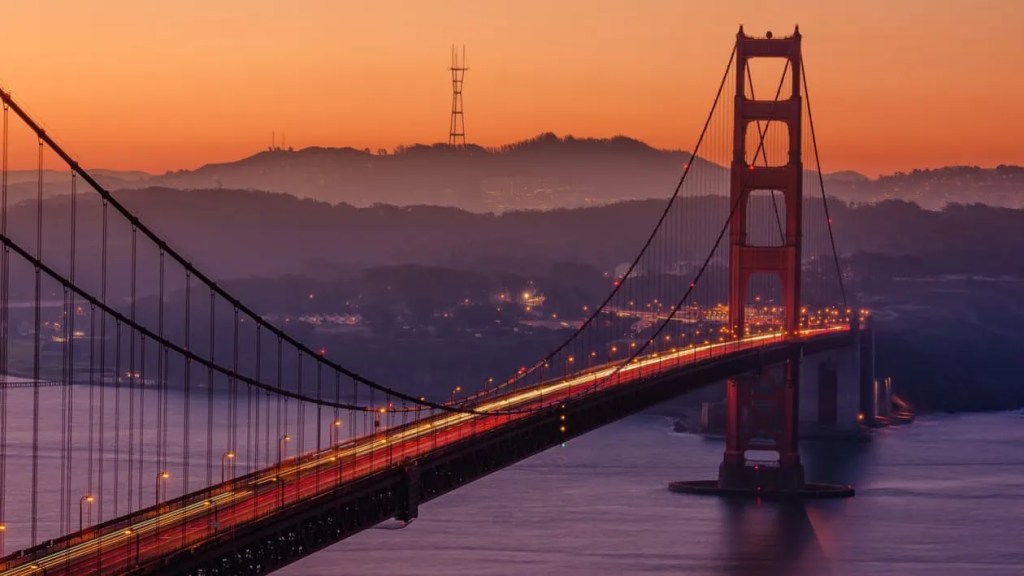
The Resiliency plan for the city of San Francisco is divided into 4 main goals, each comprised of several initiatives to achieve the targeted outcomes within various timeframes. The Goal areas are as follows:
Goal 1: Plan and Prepare for Tomorrow
Goal 2: Retrofit, Mitigate and Adapt
Goal 3: Ensuring Housing for San Franciscans Today and After a Disaster
Goal 4: Empowering Neighbourhoods through Improved Connections
“The Stronger Today, Strong Tomorrow” Plan drafted by 100 Resilient Cities and the municipality of San Francisco, creates vision of development for the city. It does so in a manner much like traditional growth plans, but with a clear and concise focus on the potential threats of earthquake and climate change correlated costal sea-rise. This plan when reviewed by itself appears to lack some levels of regional interconnection and social consideration that will ultimately ease some of the mitigation of disaster and expedite the rate of social and economic recovery. In an analysis of the water mitigation strategy and the practical repair protocol for disaster recovery, this plan approaches the objective of reducing the impact of a potential disaster to varying degrees of rigor. Aside from the points made in this critique, the plan does address anticipatory planning as an integrated growth plan not solely focusing on projects; developing from design and policy frameworks to move progressively forward on initiatives even outside some of the targeted timelines to new municipal standards. However, there remains some areas that lack the depth to be a complete forecast of recovery and preparedness.
The approach to the waterfront redevelopment and flood protection presented in this plan offers little insight to the progression of reasonable measures both fiscally and practically in how to deal with the issue. When reviewing another city plan internally referenced in The Stronger Today, Strong Tomorrow Plan, the “San Francisco Sea Level Rise Action Plan” gives a level of comprehensive understanding that shows how policy and action can be conducted from the design to policy to implementation stages; while outlining regional commitments and collaboration efforts that see the threat of sea level rise as both an immediate issue and a direction for the overall future development of the city and the larger Bay Area. The focused sea level plan recognizes several important synergies to be made throughout society and draws insight from other coastal cities such as New York’s coastal design contest in setting the example for learning how to garner public ideation for the implementation of public policy and design driven solutions. (Sokolove, 2016) A criticism of the 100 Resilient City Plan, is that it doesn’t explicitly reference other cities in which knowledge and strategy are derived from at all, this may be due to the fact that the organization operates on collective knowledge, but this isn’t made apparent in the actual document, which leads to the question of precedence and experiences faced by cities with similar disaster prospects, especially in report areas which note that they are open to adapting policy positions. A highlight of the report is the services used by the city, the use of resource shows that municipal government values a deep understanding of forecasting the conditions of disaster through quantitative benchmarks and expectations of worst case scenarios. The report showed the inundation projections of 100-year storm events, commonly predicted sea level rise metrics/models, and the shock points of past earthquakes of notable magnitudes to model the response needed and preparation standards that should be adopted throughout the city.
In the report there seems to be a lack of clarity to how the mobilization of resources will tap into the region as a whole to source materials, labour and supplies to offset the effects of the predicted disaster situations. The plan emphasises the need for financial flexibility in a time of crisis to mobilize the recovery process; without designating local markets on a tiered basis (conditions of transportation arteries, available services and projected/real skilled human capital in and throughout the adjacent area while considering sprawling effects of disaster and reliability of mobility to crisis), which could ultimately lower the response time and confusion when coordinating the recovery to the disaster event. It instead focuses on the monetization of insurance based resources, which is a smart position and to the trend of climate change recovery as it may be, does not address the immediate response to the issue of disaster mitigation and local monetary mobility. These moves could potentially help government source remediary supplies both in and around the San Francisco area lowering the rebuilding phase while supporting local economic recovery. As project based this may seem, any plan looking to recover from disaster faster should consider who is going to rebuild, keep a cyclically updated system of preparation ready. Given the unpredictable nature of disaster events updating plans on a variable time increment, keeps the task a long term review project, while being valuable to disaster response. This seemingly missing milestone from the plan would be base partnering with local trade unions, boards and construction oriented agencies to ensure the coordination of recovery repairs and access to funding to expedite the rebuilding effort of the city. This act alone could reduce recovery time, disseminate access to the labour resources as disaster hits and help residents connect to tradespeople to speed the repair of private property as well government housing/assets. The plan outlines training locals for emergency response roles and to aid in the assessment of assets/ property. However, the coordination of practical labour as a resources for the event of a disaster is not mentioned nor is a supporting document or assessment listed to further understand this planning dynamic.
Overall this plan is a good start to developing a city able to recover from harsh disasters that could potential face it. A noteworthy initiative of the plan is the commitment to keep the population within the city in event of disaster with a clear focus on keeping the regular day to day flow going in the city, a move that will help the physical recovery of the city and the psychological recovery of the city’s population to responding to the traumatic events this plan anticipates. 2023 and beyond could be a trying time for this city, it’s good to see them understanding the risk of their geography and planning ahead.
Works Cited
Otelleni, P. (2016). Stronger Today, Stronger Tomorrow. City and County of San Francisco, Planning Department. San Francisco: City of San Francisco.
Sokolove, D. (2016). San Francisco Sea Level Rise Action Plan. City and County of San Francisco, City Planning Department. San Francisco: City of San Francisco.
agriculture ai artificial-intelligence books business capitalism christianity climate climate-change consciousness culture economics economy environment faith farming finance food god health history intimacy life love mental-health mindfulness money news philosophy physics politics quantum-physics race racism relationships science sex sexuality society spirituality sustainability sustainable-agriculture technology war writing
 JIMOTHY'S huE
Leave a comment